
Blog · Prize Challenges
DIU's Low-Cost ISR Prize Challenge: Two Endurance Classes and No Runway Required
Update, 31 October 2026: this challenge closed on 14 October, and DIU has taken the posting down; the link below now returns a closed-opportunity page. The figures here are as posted at the time. For current DIU calls, see its open solicitations.
The headline number on the Defense Innovation Unit's Low-Cost Intelligence, Surveillance and Reconnaissance prize challenge is $100 million. The line that decides who can actually compete is shorter: the aircraft must work without depending on vulnerable airfields.
What DIU is asking for
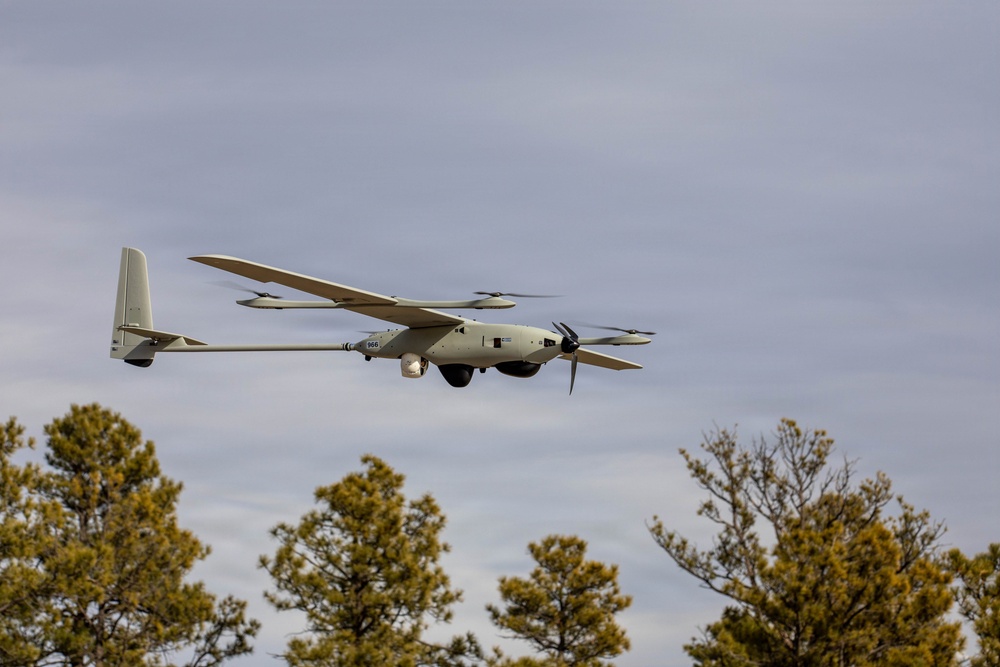
Posted on 29 September, the challenge asks for mature, low-cost unmanned aircraft that gather sensor data and send it back from over land, littoral and maritime areas. It defines two classes by endurance per aircraft:
- Medium endurance: 3 to 12 or more hours
- Long endurance: 12 to 24 or more hours
The money and the awards
| Item | Amount |
|---|---|
| Prize and initial follow-on pool | $100 million |
| Fly-off award, accelerated track | $250,000 per successful participant |
| Fly-off award, extended track | $50,000 per successful participant |
| Budgeted for development and production | Up to $250 million |
Awards will be direct prototype agreements under other transaction authority, each with a path to production.
Deadline and registration
Submissions were due by 11:59 p.m. Eastern on 14 October. Follow-on agreements require a Commercial and Government Entity code, so registration is a prerequisite to any award beyond the fly-off.
The design driver
Operating without vulnerable airfields shapes everything else in the requirement. It points to aircraft that can launch and recover at austere sites or aboard vessels, and it excludes many platforms that would otherwise meet the endurance and sensor needs.
UDC recommends that companies weighing this or similar challenges start with the basing requirement, not the endurance class, and confirm their Commercial and Government Entity code is in place well before any deadline.
Subscribe to Closing Rate for analysis like this, written for the people who capture and deliver DOW work.
First published in Closing Rate on September 29, 2026. Read the original.
Subscribe to Closing Rate